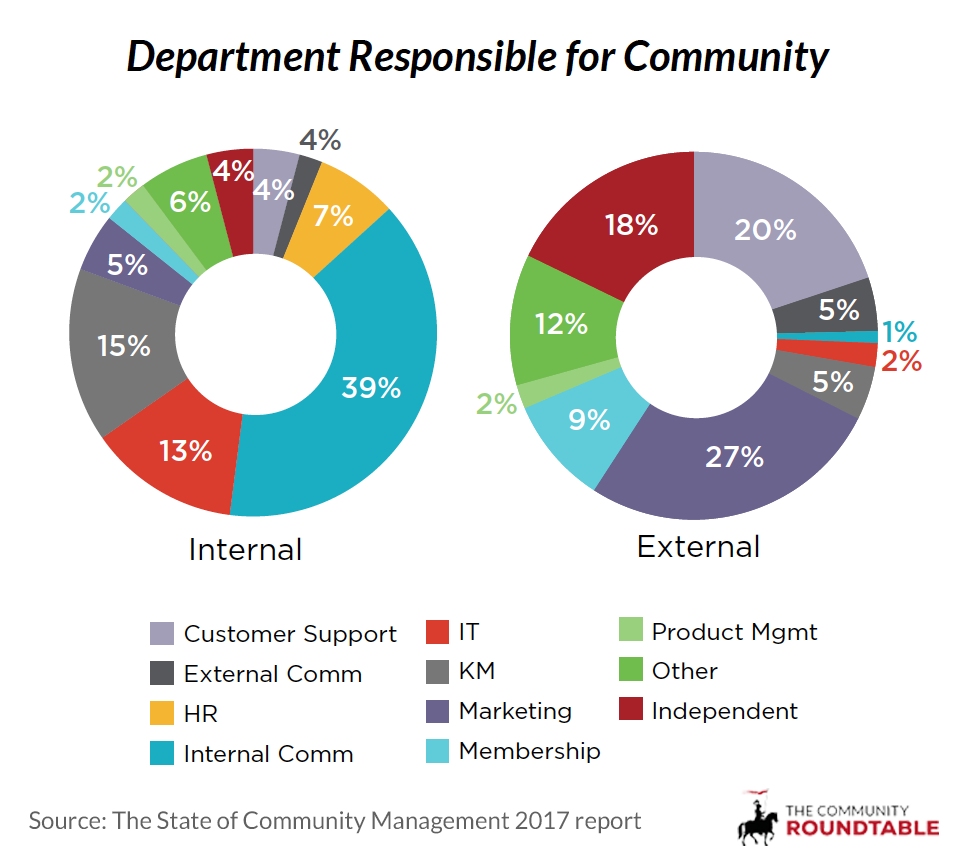
One way to appreciate the impact of communities in organizations is to look at how the community and its leadership are connected into the overall structures of the sponsoring organization. So, where does community reside in organizations? We took a look in our SOCM 2017 research.
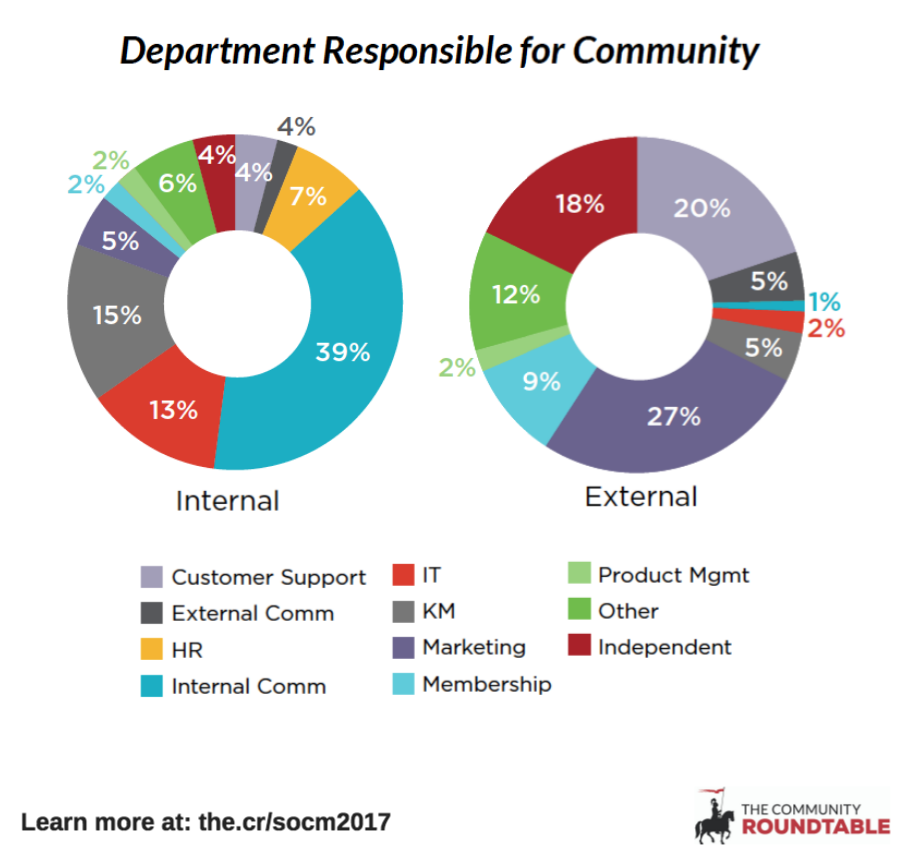
There’s no one place where community should be “seated” within the organization, a point that is driven home when you look at the myriad departments with responsibility for community that were cited by respondents. But if community is to be a strategic part of the organization it needs to be situated at a level within the organization that reflects that importance. We looked at where communities fit in organizations by examining three items: who approved community budgets, and the title and reporting level of the head of the comunity program. In all three cases, we see signs of the high relevance of community in organizations.
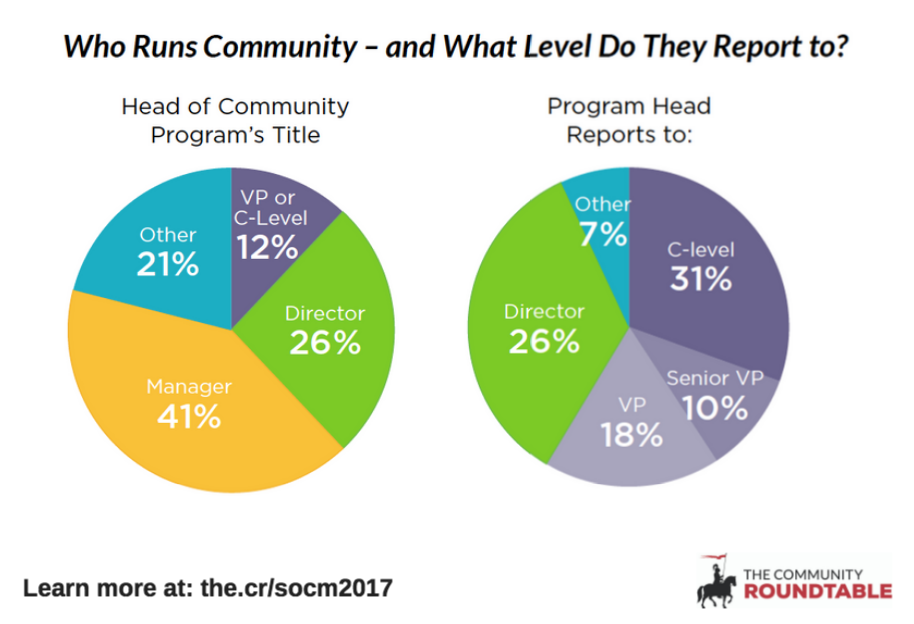
In our State of Community Management 2017 sample, 70% of communities with dedicated budgets say their budgets are being approved at the VP level or higher. Looking at the roles of community leaders – we find that only a small minority of community department heads hold Vice President-level titles, but more than a third are titled as Directors or higher, and well over half report to Vice Presidents or higher levels of the organization. Taken together, these data suggest that communities, once seen as islands within organizations, are getting a more strategic seat at the table.

Where is community today?
We are currently collecting our State of Community Management 2018 research that will address questions like this and more. Please consider participating in our research and helping us provide the most comprehensive look at the community world. Take the SOCM 2018 survey now.
 For years, community thought leaders in TheCR Network have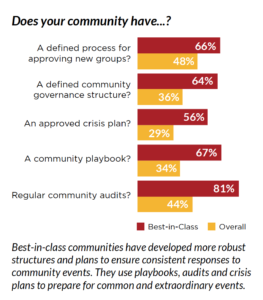
 The rise of communities as a powerful tool for behavior change has brought with it no shortage of new platforms and technology. There are large enterprise level platform providers, smaller niche offerings, community offshoots of major social and CRM platforms, and hybrid community-collaboration platforms for community professionals to choose from. (Check out how our own Rachel Happe feels about what’s going on in the vendor space in her post “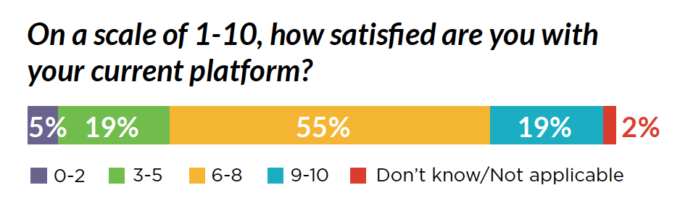
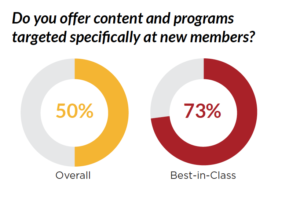
 One of the most consistent findings in our
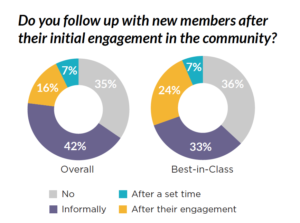
  If you’re like many communities – you don’t follow up again to see how the settling in process has gone. But maybe you should.
 So what can you do?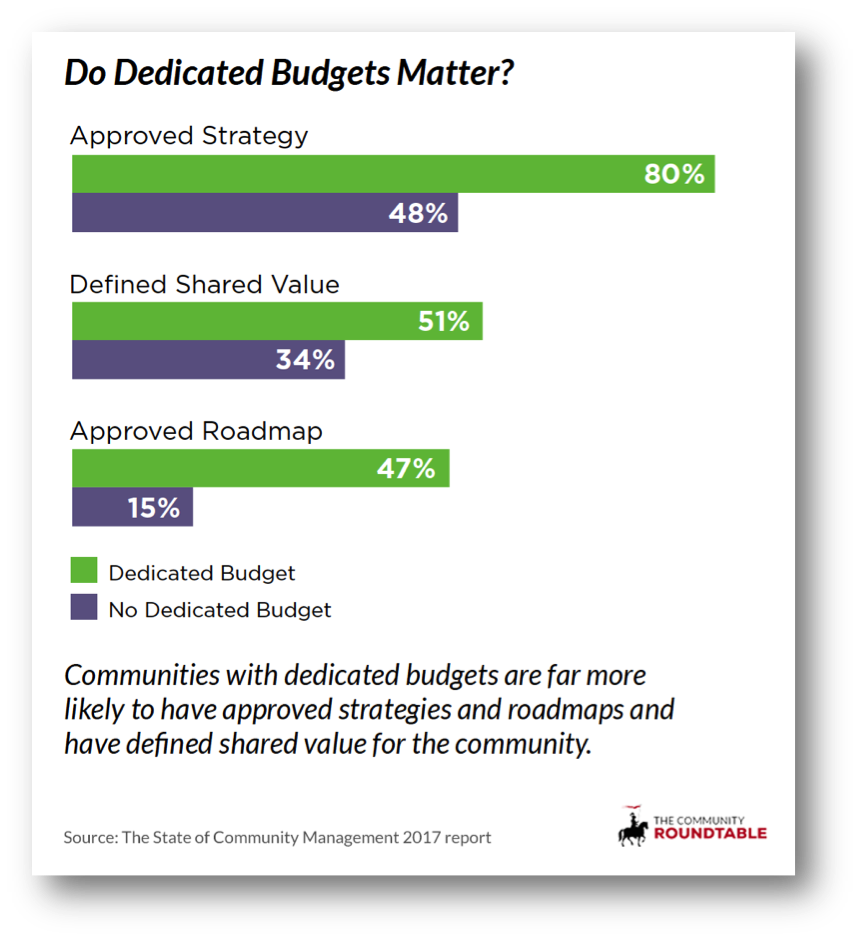
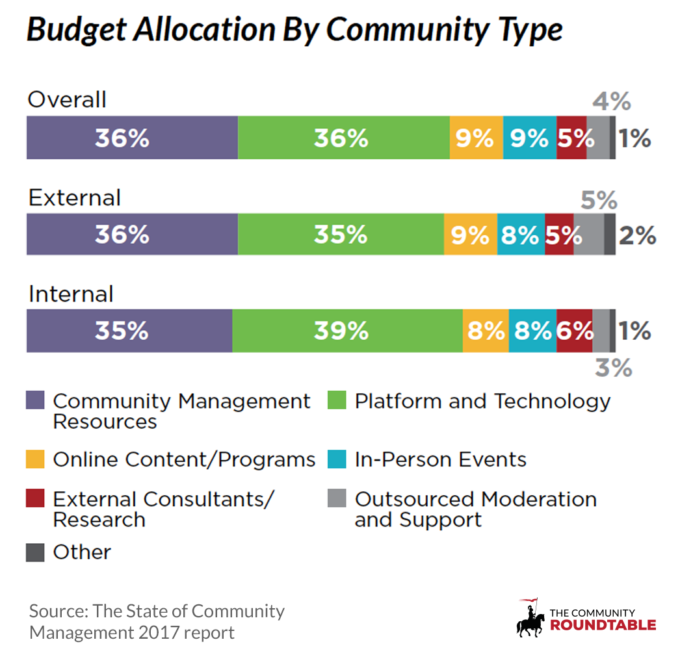 Here’s an interesting piece of data from the SOCM 2017: for the first time, communities say they are spending more on people than on technology.


 These are difficult times online. The first week of the Trump Administration, whether you are in favor of or opposed to his policies, have swamped social media and many communities with debates, discussions, and diatribes that can overwhelm any other conversation. It’s a tricky time for community managers, who need to manage community guidelines, organizational goals, personal feelings and understandable emotions from members as they try to continue to improve their communities and engagement.